Austin’s office market faces an intriguing paradox as it opens 2026: an active construction pipeline exists against a backdrop of muted transaction activity and persistent vacancy rates. While vacancy rates have seen a notable decline year-over-year, they are still notably high, hovering around 24.6%, marking Austin as the second-highest among U.S. cities—trailing only Seattle. This duality in performance illustrates the complex dynamics at play in one of the country’s hottest real estate markets.
Construction Activity vs. Vacant Space
The figures reveal an interesting trend. Austin's office development pipeline is quite robust, with nearly 977,000 square feet of office space under construction as of February—about 1% of the total office stock, significantly outperforming peer cities like Atlanta (0.2%), Phoenix (0.3%), and Dallas (0.8%). In the larger context, Austin ranks eighth nationally for office development, trailing only major markets such as Boston and Dallas.
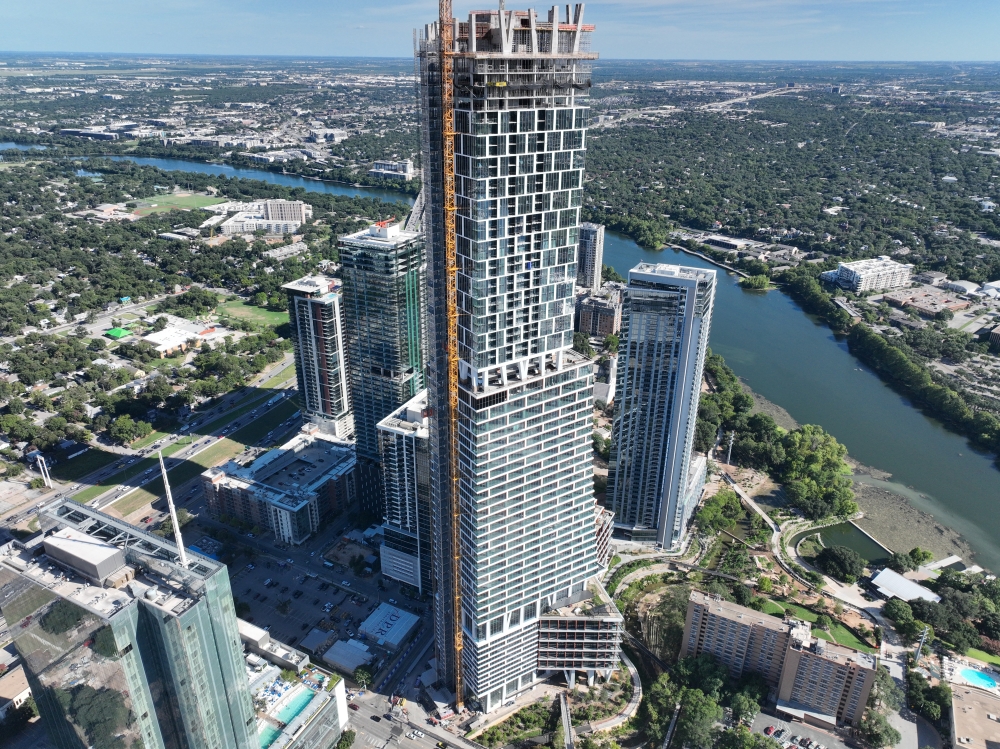
This active construction phase raises the question: is new space development a cyclical reaction to insufficient demand, or does it signify a forward-looking investment strategy, anticipating future growth in the area? The response may lie in Austin's comparatively high market rents—for instance, with an average asking rate of $46.38, which stands out against the national average of $32.79, reinforcing the notion of Austin's desirability despite current vacancies.
Policy Shifts and Market Challenges
Austin's regulatory framework also presents both challenges and opportunities. The implementation of Texas SB 840 aims to streamline the conversion of office and retail spaces into mixed-use or residential properties, a strategic move to mitigate the glut of vacant office space. However, the effectiveness of this policy might be limited due to the newness of much of Austin's inventory, which could complicate conversion efforts and prolong vacancy periods.
Investment Activity: A Cautious Outlook
On the investment side, things look more tepid. The first two months of 2026 showed minimal activity, with no transactions exceeding $50 million. This stagnation is likely reflective of broader market cautiousness, especially when considering Austin's previous year where total sales amounted to $628 million—falling behind peers like Phoenix and Dallas. Prices may have stabilized, with square footage averaging $216, above the national average of $192, but this won't be enough to invigorate buyer confidence without more significant transaction volumes.

The Rise of Flexible Workspaces
Simultaneously, the rise of flexible workspace solutions in Austin is noteworthy. As of February, coworking space accounted for about 2% of the metro's office stock, totaling roughly 2 million square feet. While this places Austin slightly below peer markets like Dallas and Atlanta, the sector's growth illustrates a shift in workplace strategies that could benefit landlords willing to adapt.
WeWork currently maintains the largest share of flexible office space with over 298,000 square feet, highlighting the trend's viability. However, this still begs the question: is the growth of coworking and flex spaces merely a response to higher vacancy rates, or is it reshaping the market's future? Providers like Industrious and Regus are also expanding rapidly, suggesting a tilt away from traditional leasing structures.
Looking Ahead
The real story emerging from Austin’s current market state is one of resilience amidst uncertainty. High vacancy rates combined with a strong development pipeline may indicate a temporary misalignment between supply and demand, driven by shifting work patterns and broader economic factors. Whether Austin's landlords can pivot effectively under new policy frameworks and embrace flexible leasing solutions could dictate the metropolis's office market trajectory in the coming years. Investors and stakeholders should watch closely: how this balancing act unfolds will likely influence attractiveness and viability in Austin's competitive landscape.