Grocery-anchored centers are drawing more buyer interest, but the label alone doesn’t explain their value. The premium depends on whether a specific store can keep attracting customers, how its lease distributes risk and whether the property can recover if the grocer leaves. For buyers weighing today’s competition for retail assets, those details matter as much as the anchor’s name.
That scrutiny is taking place in a tight market. In JLL’s 2026 retail investors survey, 81 percent of respondents said grocery-anchored centers were part of their investment plans, and 64 percent expected to increase retail acquisitions this year. JLL’s Grocery Tracker put 2025 transaction volume for the property type at nearly $11 billion, a 42 percent year-over-year increase. Average cap rates ended the year at 6.7 percent, 40 basis points below their 2023 cyclical peak.
Supply conditions add to the competition. Cushman & Wakefield reported national retail vacancy of 6 percent in the second quarter of 2026, alongside just 2.3 million square feet of new retail deliveries nationwide. Asking rents rose 2.2 percent year over year to $25.65 per square foot. Those figures help explain why buyers are pursuing grocery centers, but they don’t show whether an individual asset deserves its pricing.
READ ALSO: When the Real Estate’s Better Than the Rent Roll
Store performance sets the starting point
Jim Hamilton, senior managing director with JLL Capital Markets, says buyer demand is running ahead of the inventory available for sale, contributing to meaningful valuation gains over the past year. Even with those increases, most grocery-anchored retail assets continue to trade below replacement cost. But that pricing context doesn’t answer the more specific question: Can the anchor sustain the visits and sales that support the property?

Where grocers share store sales, investors can compare those figures with rent to assess occupancy costs, Hamilton said. The numbers gain context when considered with the store’s local competitors, visibility, access and fit with the operator’s current format. Merchandise selection matters, too: a concept that works elsewhere may not match the needs of the surrounding customer base.
DLC Management Corp., which owns, operates and manages open-air centers nationally, puts local conditions at the center of its grocery assessment. COO Chris Ressa summed up the point: “Retail real estate, especially grocery-anchored real estate, is still local.” A well-known chain name can mask a store that is losing ground, underperforming nearby centers or failing to draw the traffic investors assume it will.

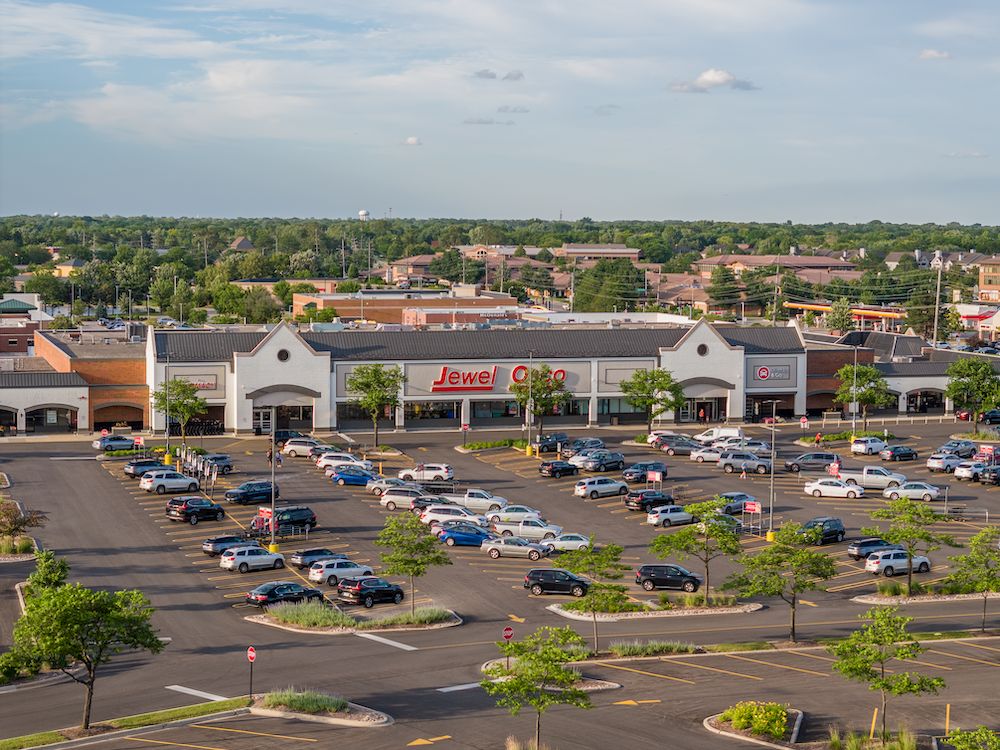
DLC also considers whether an operator is maintaining and improving the individual store, including completed or planned renovations, upkeep and product availability. Its late-2024 purchase of Danada Square West in Wheaton, Ill., offers an example. The 314,819-square-foot center sold for $61.7 million to DLC in a joint venture with Crow Holdings Capital and Temerity Strategic Partners. Jewel-Osco has anchored the property since it opened in 1988. The grocer’s position in the Chicago market, the store’s performance and its long history at the site all informed DLC’s view of the location.
An anchor’s value also reaches beyond the space it occupies. At Brixmor Property Group, which owns and operates close to 350 open-air centers across 29 states, grocery visits help make the rest of a center more attractive to tenants. “The grocer typically sets the tone for the entire property,” said Matthew Ryan, executive vice president of National Property Operations and South president.
Restaurants, service providers, health and wellness businesses, and complementary retailers can give customers more reasons to visit and stay. Ryan sees that mix helping neighborhood tenants with sales, leasing velocity and retention. The premium, then, rests partly on whether the grocery store’s traffic supports the wider tenant base—not simply on the anchor’s own rent payment.
Lease terms define the exposure

Grocery leases often span 10 to 20 years and use predetermined rent structures, Hamilton said, giving owners a longer view of income. That visibility still needs to be tested against provisions that may change the economics before a lease expires. Sales-based termination rights, for example, can affect expected rent. Co-tenancy clauses may give other tenants rent adjustments or termination rights if the grocery anchor closes, and additional restrictions can narrow the pool of possible replacement users.
Brixmor reviews the lease alongside the practical work of taking back a former grocery space. Ryan said the company considers how long the property could sit vacant, the condition in which the space would be returned and how easily the box could accommodate a new tenant. Those factors help explain why anchor risk can spread through a center: the owner may lose direct rent while smaller tenants lose traffic, and lease restrictions may slow the effort to restore both.
A replacement needs to serve the trade area
When an anchor leaves, finding a tenant for the box is only the first step. The replacement needs to fit local demand and bring customers back to the property. Bennetts Mills Plaza in Jackson, N.J., shows how that can mean retaining grocery while changing the operator.
After the plaza’s grocery anchor announced it would close in early 2024, Brixmor examined the customer base, competing options and longer-term needs in the market. Its review pointed to grocery as the right use, and the company selected regional kosher grocer Gourmet Glatt. The approximately 67,000-square-foot supermarket opened in January 2026. Ryan said the concept suited the community and maintained daily-needs trips that support activity across the center.
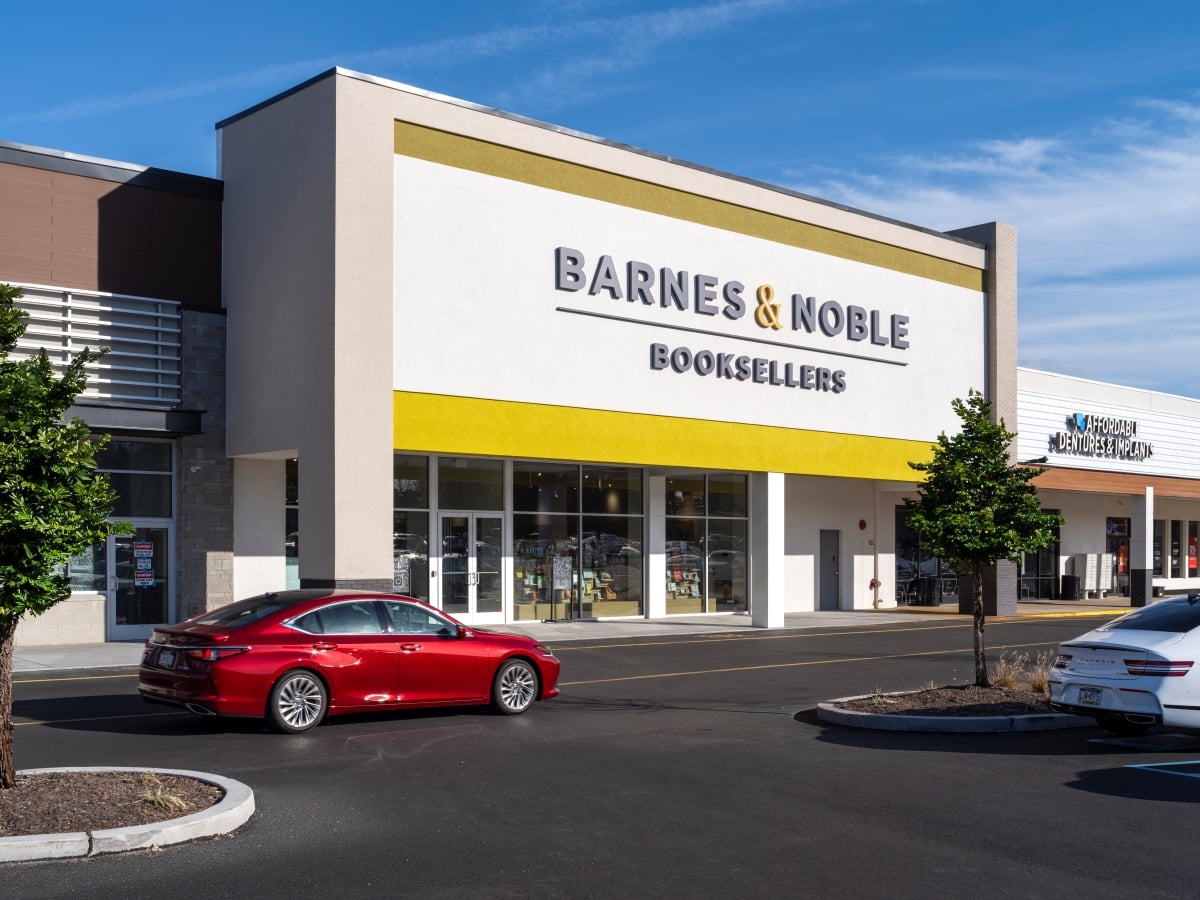
Barn Plaza in Doylestown, Pa., involved a different strategy. The relocation of Marshalls and HomeGoods created an opportunity for Bucks County’s first Whole Foods Market. Brixmor combined the supermarket with Barnes & Noble and new restaurant space as part of a wider redevelopment. The first phase was completed in the third quarter of 2025 at a net project cost of $14.6 million. Brixmor reported a 9 percent incremental NOI yield, and small-shop occupancy rose from 84 percent before the work to 100 percent afterward.
The company is now advancing a second phase at Barn Plaza, replacing a former movie theater with three multi-tenant outparcel buildings totaling 46,000 square feet. The project extends the center’s repositioning beyond the grocery addition and into its broader tenant mix.
READ ALSO: Why Retail Is Shining and Office Is Thawing
The two Brixmor examples point to distinct asset decisions. At Bennetts Mills, the company kept grocery as the anchor use and chose a new operator based on the local customer base. At Barn Plaza, the plan combined a new supermarket with other tenants and substantial redevelopment. In both cases, the property strategy followed an assessment of market demand rather than an assumption that a grocery tenant automatically guarantees durable performance.
For buyers, the evidence behind the premium sits at the property level: the store’s sales and competitive standing, the role its visits play for other tenants, the lease’s exit provisions and the realistic cost and timing of replacing it. With capital competing for limited inventory, those checks offer a clearer read on whether a center can sustain its income—and on what it may take to rebuild that income if the anchor changes.
The post Is Grocery-Anchored Retail Worth the Premium? appeared first on Commercial Property Executive.