For commercial property teams, sustainability is increasingly framed as a matter of asset performance, risk and occupant well-being. That shift in language was central to a Greenbuild 2026 discussion in New York, where architects and engineers described how they’re keeping sustainable design in project plans as clients’ priorities and public debate change.
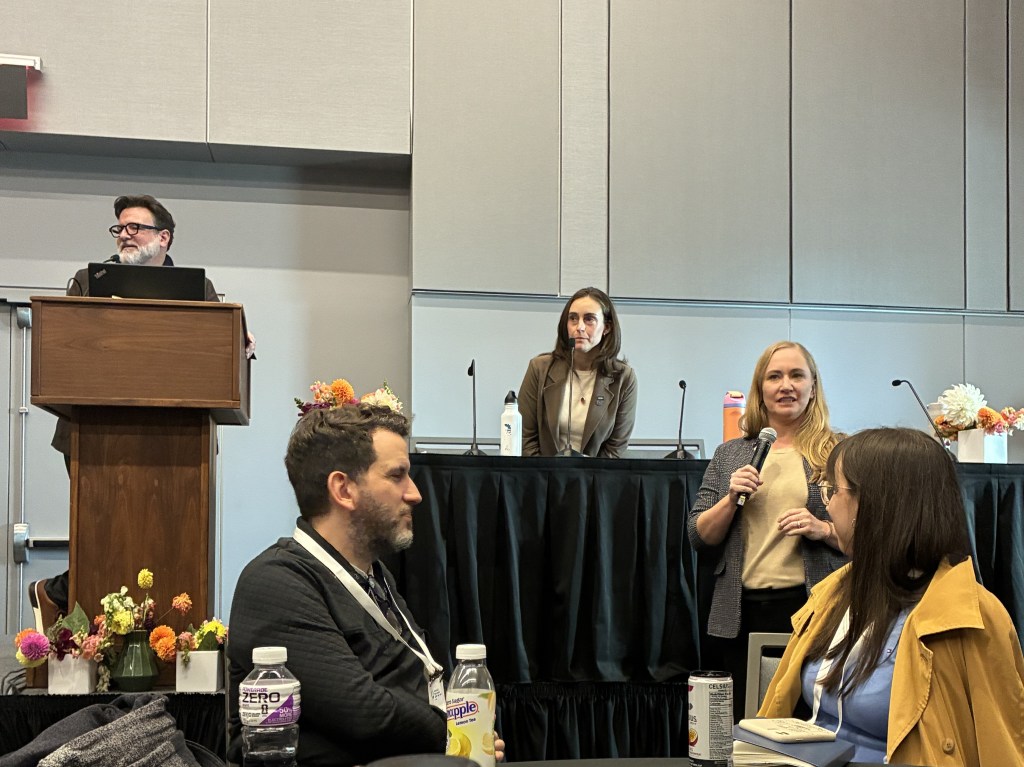
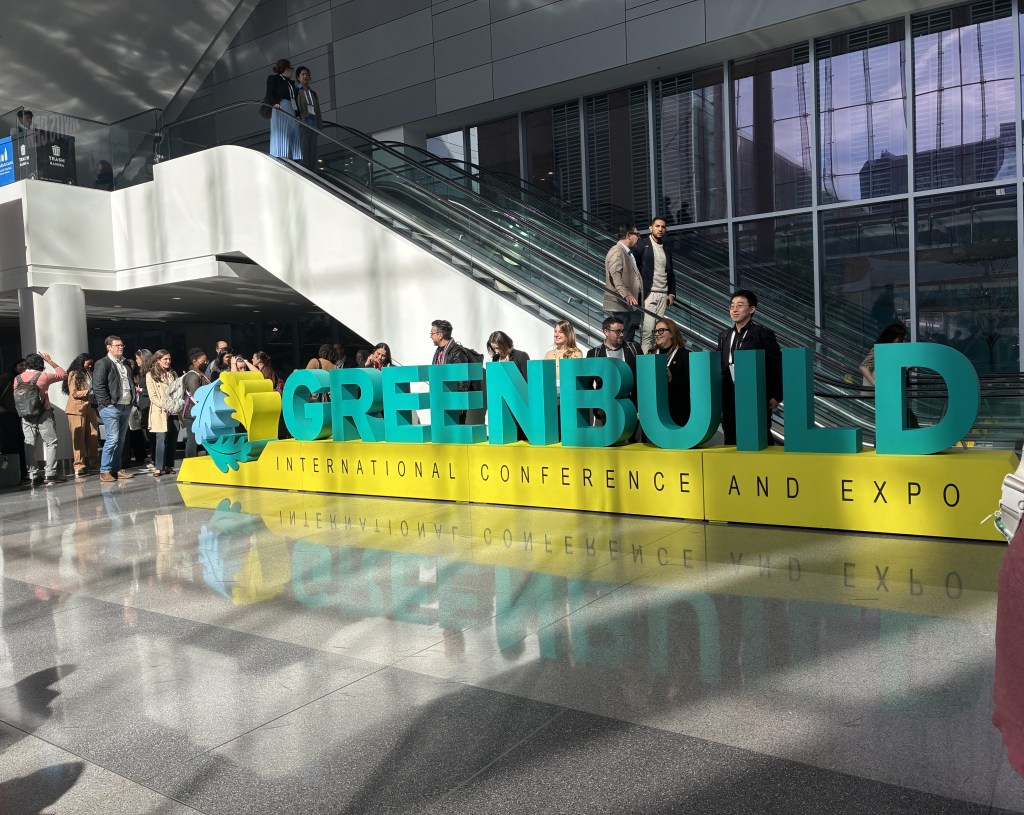
The panel, “Lead, Don’t Plead: How to Make Sustainability the Default Design,” met at the Jacob Javits Center during the annual conference, whose 2026 theme was “Invest for Impact.” Its message: green design still has a place in commercial projects, but firms are finding that the case lands better when tied to practical outcomes than to broad appeals.
LISTEN ALSO: Sustainability Street: It’s Go-Time for CRE
Make the value legible
Jim Schneider, executive director of PCI Mountain States, said political skepticism about climate change and the withdrawal of billions of dollars in Biden-era clean-energy funding have made terms such as sustainability, ESG, decarbonization and environmental justice harder to use with some corporate and institutional clients.
Yet the underlying activity hasn’t disappeared. Schneider said 90 percent of Fortune 500 companies still report on sustainability, and many have kept or expanded their commitments. “It’s just we’re not talking about it in the same way,” he said. For project teams, that means explaining the business value through economic returns, risk management and human well-being.
Energy efficiency, resilience and asset value can make the case concrete. Schneider cautioned against letting technical features become the whole story: buildings and communities ultimately serve people. That focus, he said, helps connect design choices to outcomes clients and occupants can recognize.
For more on the property economics behind these decisions, see how climate risk is affecting commercial real estate insurance and pro formas.
Build sustainability into the brief
Annie Kell, sustainability services lead for Burns & McDonnell, described a recurring project risk: sustainable features can appear in a request for proposals and then vanish before construction, particularly when the client hasn’t made them part of its standard design expectations. “If it is viewed as an add-on, it is the first to get cut,” she said.
Her response is to make sustainability part of the baseline design across project disciplines. When it’s integrated from the start, the team can weigh its value alongside other design decisions instead of trying to bolt it on later. Kell said that approach gives projects a better chance of meeting their goals.
It also requires early listening. Burns & McDonnell seeks input from the stakeholders involved to understand their priorities and pain points, then shape proposals around what matters to them. That work can be especially useful when a client’s stated goals don’t yet reflect the wider benefits of sustainable construction.
Climate concern offers a potential opening, though it doesn’t always translate into a sense of personal relevance. Kell cited Yale Climate Opinion Maps data showing that 63 percent of U.S. adults worry about climate change, while 50 percent say human activity causes it and 44 percent believe it affects them.
That gap makes evidence and clear communication important. Kell said the end of greenwashing could help: clients are less likely to accept sustainability language used as a label without substance. The record of sustainable construction gives project teams a basis for discussing tangible results.
Start the conversation inside the firm
Patti Mason, climate action strategist at DLR Group, argued that clients should be involved earlier in setting sustainability goals. Early discussion gives them a chance to help define what success means before design decisions narrow the options.
DLR Group holds a “climate strategy meeting” for every project, regardless of scale or whether the lead designer expects client support. Mason said she sometimes has to explain the value of a strategy to colleagues first, and adjust the framing to suit their location and project. She also asks designers to identify client priorities so the firm can connect its own commitments with the needs driving each assignment.
That alignment takes flexibility. Mason said external changes can alter priorities or slow progress on goals; her firm has recently focused on preparing for the potential passage of SB 261 in California. The broader lesson from Greenbuild is that durable sustainability goals need to be built into project discussions early, expressed in terms clients value and supported by measurable outcomes.
The post Greenbuild Special Report: Recasting the Message on Sustainable Design appeared first on Commercial Property Executive.