
For commercial properties, the office experience increasingly has to justify the trip. Flexible work gives people more say over where they spend their time, so buildings need to offer value beyond a desk and Wi-Fi. Places to connect, focus and feel part of a community can help a workplace become a destination tenants choose to use.
That value doesn’t depend on an elaborate amenity package. It often comes from how people move through a building and whether the design gives them reasons to pause. A café, shared lounge, outdoor area, collaboration space, stairway or comfortable seat can create a natural point of contact when it fits the way tenants use the property.
In multifamily buildings, daily routines such as collecting a package or getting coffee can bring residents together. Offices have comparable opportunities, though the purpose is different: shared spaces should support work while making it easier for people to interact, linger or return.
READ ALSO: Why Versatility Is the Best Office Amenity
One useful design test is whether a space allows for an “accidental hello”: the brief, unplanned conversation that happens when colleagues cross paths. Those small exchanges can help people feel more connected, and a building’s circulation and everyday destinations can make them more likely.
Choice matters just as much. Someone may need a quiet place to work, a spot for a focused conversation, or somewhere to catch up over coffee. Shared areas work best when they can support these different uses without feeling rigidly programmed.
Shared space as part of the leasing story
For owners and developers, comfortable, useful communal areas can strengthen the tenant experience and give a property a more distinctive leasing proposition. When people associate a building with energy and positive interactions, its appeal can extend beyond the individual office suite.
That makes the use of shared square footage a practical business question. A lounge, café, meeting room or outdoor area shouldn’t be judged only by its appearance or its presence on an amenity list. Owners are asking more pointedly how each space will be used and whether it contributes meaningful value.
Here's the thing: a space’s contribution can change over the course of the day. A room used for focused work in the morning might host a team session later, then support a gathering or event. Considering those shifts can help a property make more of its shared areas.
Plan for changing work patterns
Digital tools connect teams across locations, yet physical settings still matter when people need to collaborate or build relationships. Technology can help occupants use a workplace, but it shouldn’t define the experience. A well-planned environment gives people useful reasons to look up from their screens.
Flexibility is central to that approach. Tenants may want quiet work in the morning, collaboration in the afternoon and a social event later. Spaces that can accommodate those changing needs are more likely to stay useful throughout the day.
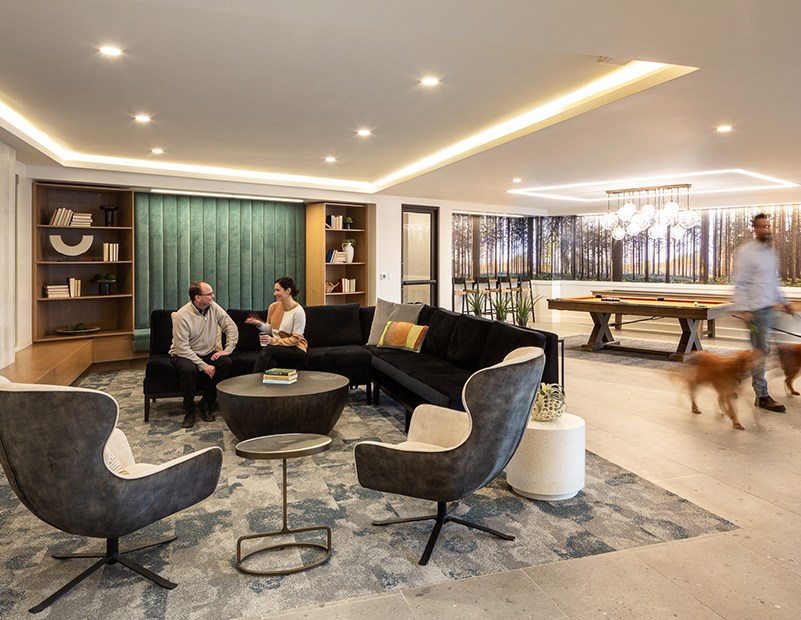
Owners and developers can assess their shared areas with a few direct questions:
Why would someone choose to come here? What does the building offer beyond a workstation and internet access?
Where are people likely to cross paths? Could routes through the building, coffee areas, lounges or outdoor spaces create natural opportunities to connect?
Does the property offer meaningful choices? Can occupants work alone, collaborate, socialize or take a break comfortably?
How does each area perform throughout the day? Can it serve more than one purpose as tenant needs change?
My read is that tenants value workplaces that feel comfortable, human and distinctive. Flexibility matters, but so do personality and opportunities for connection, from planned gatherings to a quick conversation over coffee.
Those qualities can come from a welcoming lobby, access to daylight, a useful café, comfortable places to work alongside others or shared areas that adapt to different activities. The aim is to make the floor plan work in practice, not simply look appealing on paper.
When shared spaces support everyday needs and help people connect, they become part of the tenant experience and the building’s leasing story. That can give occupants another reason to return.
Kelsey Loverro is a senior associate and interiors project manager at LRS Architects.
The post What Makes a Commercial Property Worth Coming Back To? appeared first on Commercial Property Executive.