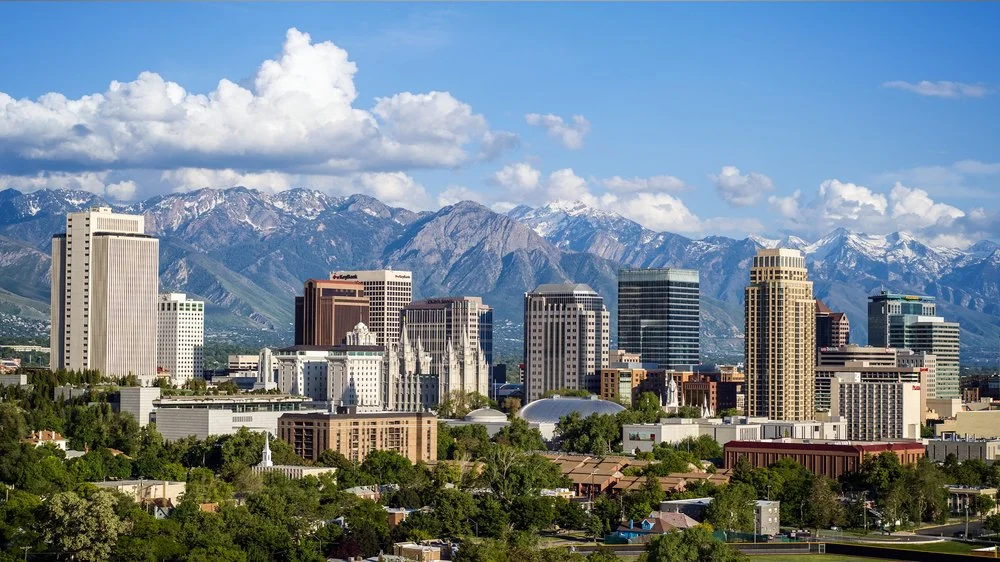
Salt Lake City has pulled ahead on price cuts. In October, 31.8% of its listings had a price reduction, the highest share among the 50 largest U.S. metros. Nationally, 20.5% of listings were cut, the highest October share since 2022, as seasonal slowdowns and elevated mortgage rates kept buyers cautious.
The median listing price in Salt Lake City was $559,000 in October, down 3.5% from a year earlier, based on Realtor.com's monthly housing trends data. The share of price-reduced listings there rose 1.6 percentage points from last October.
Familiar names, with two newcomers
Indianapolis (31.7%) and Denver (30.9%) sit right behind Salt Lake City. Phoenix (29.5%), Columbus (27.6%), Charlotte (27.1%), San Antonio (27.0%), Raleigh (26.8%) and Dallas-Fort Worth (26.4%) fill out the rest of the leaderboard, with Portland also in the mix.
Eight of the top 10 also led the list in October 2025. Realtor.com senior economist Jake Krimmel reads that as confirmation that these are mostly longstanding soft markets. Raleigh and Salt Lake City are the new arrivals.
Krimmel points to the weather. Price cuts in Salt Lake City, Indianapolis, Portland and Denver tend to climb as temperatures drop and listings sit longer. "These markets in particular compared to the rest of the list, which is mostly Sun Belt, can be very unfavorable to sellers when the weather gets cold and buyers stay away until spring," he says.
The "weirdly nice" buyer problem
Krimmel's seasonal explanation only goes so far in Salt Lake City. Local buyers have a reputation for politeness that changes how offers come in. Joel Carson, a real estate agent in the area for more than 30 years, says that's the real driver.
"Utah is very unique in that people don't lowball offers. They don't want to offend the seller, so they'll wait for that price reduction before they offer," Carson tells Realtor.com. "Sellers are always asking, 'Why wouldn't they just offer me less?' And the reason is that we have weirdly nice people here, and they don't want to be offensive."
That politeness shapes how Carson advises sellers. When activity slows, as it has this fall, he often pulls a listing off the market for 30 days. When it returns with fresh days on market and a meaningful price drop, it draws a second look from buyers who passed the first time.
Pricing matters just as much. Carson says listing 5% to 8% below current value draws buyers who would otherwise hesitate to ask for concessions.

Cuts that land, and cuts that don't
October's slowdown showed up clearly in the pipeline. Pending sales fell 10.5% year over year, and contract signings dropped 17%. Uncertainty around the midterm elections, elevated mortgage rates and affordability concerns all weighed on activity.
Carson's own recent sale shows how a sharp cut can work. "Just this last week, we were at $345,000 on a house and we went to $320,000 and got an offer, so we're under contract. We actually got two offers," he says. "Once you know what your seller's bandwidth is, I try to do a large price reduction versus these tiny little ones, and it's very effective."
Across the 50 largest metros, 12 saw cuts on at least a quarter of listings, and 34 are running above their cut rate from last year. At the other end, New York City (12.6%), Buffalo (13%) and Hartford (14.2%) had the fewest price reductions in October.
For sellers in the hottest cut markets, the next test is spring. If buyers return once the weather warms, Carson's approach of resting listings and relisting at a sharper number could look smart. If they don't, the deeper cuts may simply become the new baseline.